
How Often Should You Seal Pavers in Florida?
· By Leonardo Ferreira
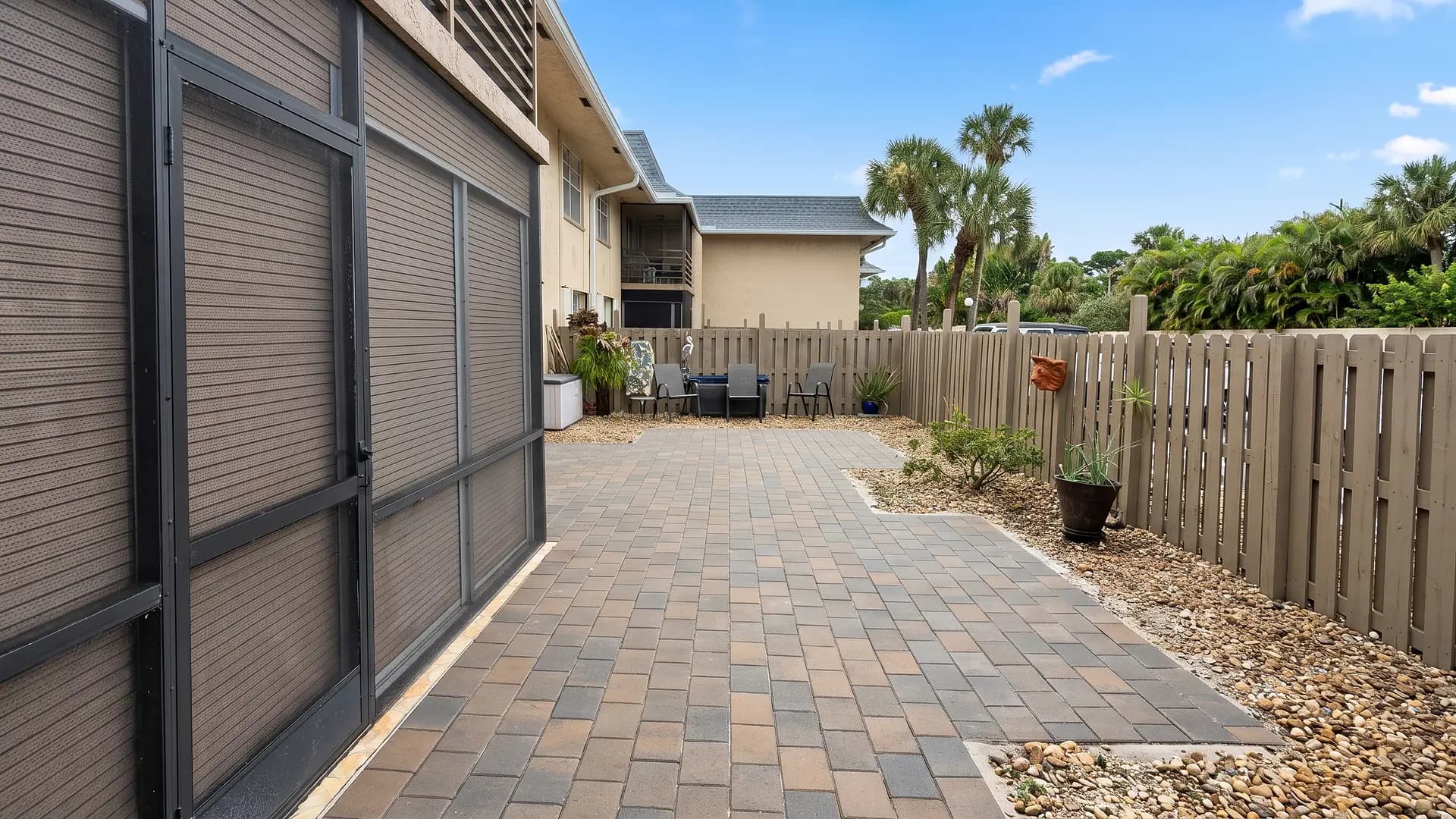
Pavers are tough, but South Florida asks a lot of them: strong sun every day, heavy rain in the summer, salt air near the coast and mildew in shady corners. Sealing is one of the simplest ways to keep pavers looking good, but it is also one of the most misunderstood services in the hardscape world.
This guide covers how often sealing usually makes sense, how to tell when your pavers need it, and what a good sealing job includes.
What sealing does
A sealer is a clear coating that soaks into the surface of the pavers and the joint sand. Depending on the product, it can deepen and protect the color, make stains easier to clean, and help lock the joint sand in place so rain and pressure washing do not wash it out.
Locked joints also make life harder for weeds and ants, two common complaints on Florida patios and driveways.
What sealing does not do
Sealing does not fix a sunken area, a weak base or pavers that move when you step on them. Those problems come from what is underneath. If you have uneven spots, they should be lifted and reset before any sealing, or the sealer will just preserve the problem.
Sealing also does not make a surface last forever. It is maintenance, not a one time fix.
How often to seal in South Florida
Many homeowners reseal every few years. The right interval depends on how much sun the area gets, how much traffic it sees, whether it is near a pool or the ocean, and the type of sealer used. A driveway with cars every day will wear faster than a shaded side path.
Rather than following a fixed calendar, look at the pavers. When water stops beading on the surface, the color looks dull and chalky, and joint sand starts washing out, it is probably time.
Signs your pavers need attention
Faded or washed out color, especially on sunny driveways and pool decks.
Empty joints where the sand has washed away, often with weeds or ant hills.
Dark spots of mildew in shady or damp areas.
Oil or rust stains that are hard to clean.
The steps of a good sealing job
First comes a thorough cleaning to remove dirt, mildew and as many stains as possible. Sealing over dirt locks it in.
Next, any loose or sunken areas are repaired so the surface is level.
Then the joints are refilled with sand, and the surface is allowed to dry. Sealing wet pavers can leave a cloudy finish, which is why timing around Florida rain matters.
Finally the sealer is applied evenly, and the area is kept free of traffic until it cures according to the product directions.
Pool decks and natural stone
Travertine and marble pool decks can also benefit from sealing, but the product must be suitable for natural stone and for wet barefoot areas. A sealer that leaves a glossy film can make a deck slippery, so the choice of product matters.
DIY or professional?
Homeowners can seal small areas themselves, but the most common DIY problems are sealing over dirt, sealing damp pavers and applying too much product. On large driveways and pool decks, a professional job usually pays off in a cleaner, more even result.
Frequently asked questions
- Does sealing make pavers slippery?
- Some glossy sealers can. For pool decks and walkways, choose a product designed for wet areas and ask about grip.
- Can you seal new pavers right away?
- Many installers recommend waiting a while after installation. Follow the advice for the specific pavers and sealer used.
- Does TL Pavers clean and seal pavers?
- Yes, along with repairs and re-leveling, across Broward, Palm Beach and Miami-Dade.
Related services
Found this helpful? Make us a preferred source on Google.
Ready for an exact price?
Get a free, no-pressure estimate. Real numbers for your project, not a phone guess.